
Who this is for
Teams whose site gets attention but makes the offer, navigation or enquiry step difficult to understand or use.
A page with a thousand readers and no enquiries is not a content problem.
The Ciny team runs page audits, sitemap scans, internal-link analysis and mobile Lighthouse checks on demand. These checks ran on Ruh AI's site on 8 and 10 September 2026, with saved results. Funnel leak analysis, competitor research, real-user Core Web Vitals and automatic fixes are in build. Staged page release and before-and-after measurement are planned.
Module overview
It is often the first page worth reviewing. Website Optimiser audits your pages, maps the internal links across a sample of your sitemap and runs mobile Lighthouse checks. The Ciny team runs each check on demand, and the results are reported to you without any change to your site.
Service scope
Teams whose site gets attention but makes the offer, navigation or enquiry step difficult to understand or use.
Priority URLs, access to the site workflow, known customer questions and any reliable visitor or form events. Instrumentation gaps come before optimisation claims.
Page audits, a sitemap scan, internal-link analysis and mobile Lighthouse checks, run on demand by the Ciny team, with findings your team can act on. Staged release and the automatic fix-and-prove loop are planned.
Illustrative example
When form starts are recorded but submissions are not, first test the event path and the form itself. A design change cannot fix missing measurement on its own.
Record the starting condition, change and comparison window. Keep real-user performance, lab measurements and enquiry outcomes distinct.
What runs inside
You pay for what you switch on. Each automation shows its status, so you can choose where to start.
Compare every automationFunnel leak analysis is built as an operator tool on PostHog. It counts visitors, form started, form submitted and lead captured, and needs your events mapped to those names. Page diagnosis and fix prescriptions are planned.
Staged release of approved pages in waves is planned, and today your own frontend releases the pages the SEO module proposes, with human sign-off.
Audits on-page basics, answer structure, readability and thin content across a sample of your sitemap, up to 50 pages per scan. Duplicate page detection and the refresh, merge or redirect verdicts are in build. Decaying page detection is planned.
Maps the internal links in and out of each scanned page, and Brand Social adds relevant links to new articles. A full interlinking plan with required anchors is available. Ciny does not edit links on existing pages.
Runs a mobile Lighthouse lab check on request and saves the four category scores, load timings and top opportunities. An experiment loop for Next.js codebases is built but has not run for a client. Real-user Core Web Vitals are in build.
A competitor site crawler and search share of voice are built but have not run on live data. Share of voice needs paid search data, which is switched off, and the first crawl needs agreed boundaries.
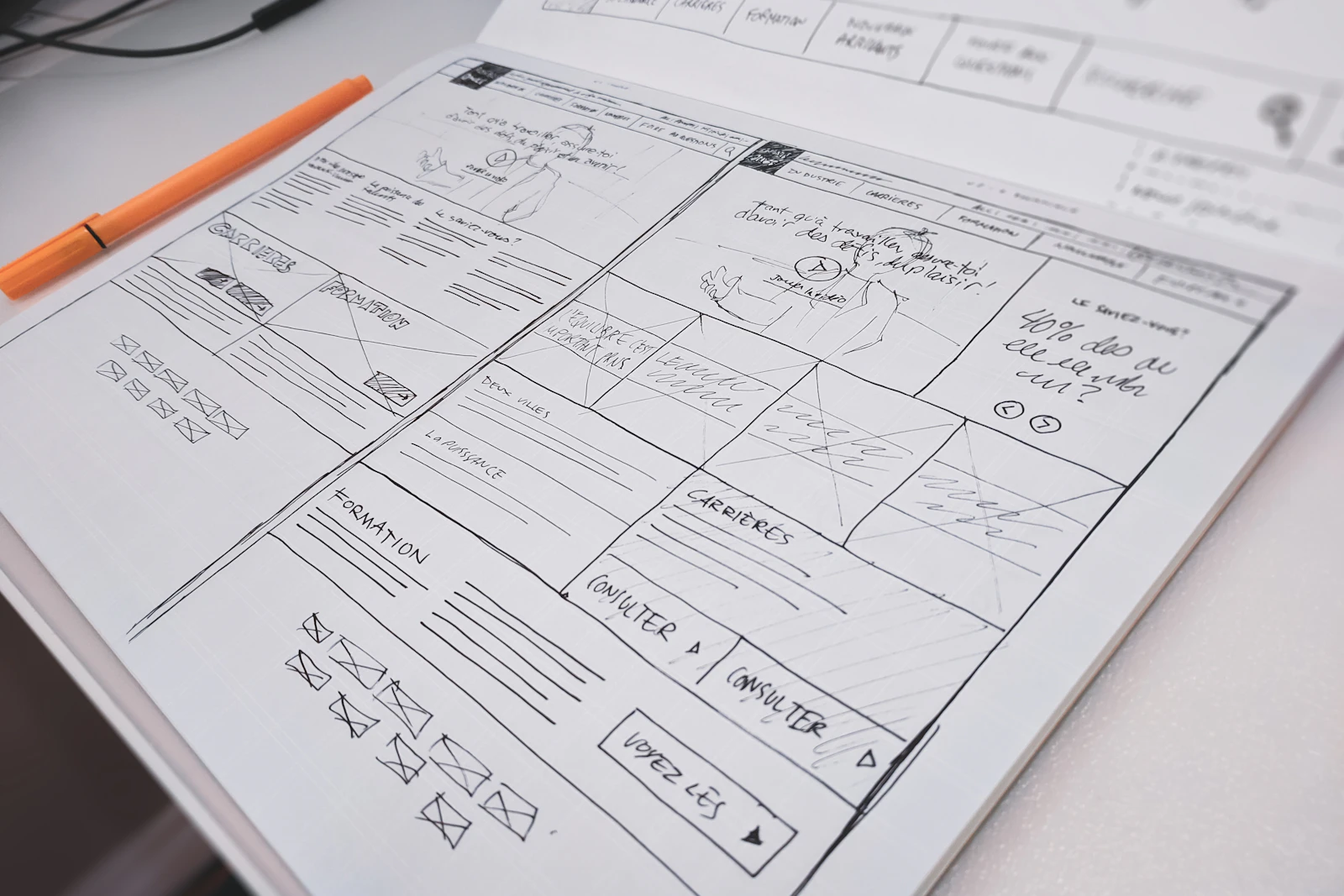
From page review to a useful change
Inspect the pages visitors rely on, from understanding your offer to making an enquiry. Keep each proposed change tied to an observed problem.
An audit is most useful when its coverage is explicit. Agree which pages, templates and journeys need attention, what reporting is available and who can implement a change.
A specialist service page may need a clearer explanation of the engagement. A guide may need better links to the relevant service. A contact journey may need investigation because visitors cannot understand the next step. These are different starting points, even when they belong to the same website.
The audit is not described as unlimited or exhaustive unless that coverage is actually established. Record sampled pages, crawl limits and anything that could not be inspected.
A visitor needs to recognise what you offer, decide whether it is relevant and find the evidence needed to continue. The page should answer those questions in a sequence that is easy to follow.
Review headings and main text together. A descriptive title cannot compensate for a page that never answers its central question. Avoid replacing specific explanations with broad statements about growth or transformation.
Explain the service, who it is for and any scope boundaries that would change a buying decision.
Use approved process information, specifications or examples. Remove claims that the business cannot substantiate.
Make the destination and purpose of the next action clear. A button should not imply a working service that is not connected.
Internal links help readers move from an explanation to a relevant service, or from an offer to the detail needed to evaluate it. The link should describe a destination that genuinely helps at that point.
When pages overlap, inspect their purpose and existing visibility before consolidating them. A URL change needs an appropriate redirect and updated links. Do not remove a useful page merely to simplify a navigation menu.
How page ownership supports internal linksLab measurements help reproduce a problem under a defined test setup. Field data, when available, describes real visits. Keep these sources separate and identify the page and conditions being measured.
A score is an observation, not an implementation plan. Connect the finding to the underlying asset or behaviour, then assess the proposed fix. Better performance does not independently guarantee improved search rankings or enquiries.
| Area | What to inspect | What to avoid assuming |
|---|---|---|
| Loading | Large media, fonts and delayed main content | One test represents all visitors |
| Interaction | Menus, forms and scripts around common actions | A high score proves every control works |
| Layout stability | Reserved media space and late content changes | A desktop check covers the mobile journey |

Before implementation
Show the problem, the proposed revision and the check that will confirm it works. Then agree who can approve and release it.
Review and implementationLive, Draft and Code views can support a focused discussion about the existing page and the proposed revision. They help distinguish an idea from an implemented change.
A useful change record identifies the affected page, the observed problem, the proposed adjustment and the check that will confirm it works. For a content issue, that check may be whether a missing buyer question is answered. For a broken link, it may be the destination and response.
Implementation follows the agreed source and hosting route. Confirm who can approve and release changes, preserve relevant existing content and review the actual page after release. A generated draft is not deployment evidence.
How review and release decisions workPrioritisation should reflect the effect on users, the strength of the evidence and the effort or dependency involved. A broken enquiry route may deserve attention before a cosmetic refinement.
Separate a confirmed issue from a hypothesis. Record what needs more data and what can be checked immediately. Agree the next set of changes rather than treating a long audit document as the result.
Where reporting is available, review the affected pages over comparable periods after implementation. Where it is not, report the confirmed functional improvement without inventing a commercial uplift.
The system behind it
Every module runs the same five moves: read the signals, decide what is worth doing, make it, hold it for approval, then measure what it changed. The signals and the output differ. The discipline does not.
Signals in
Diane · Audit the pages. Hand over the findings.
What each check returns
Automation roles
Diane owns this module. Julia does the research inside it, the same way she does inside all three, so every brief starts from your data rather than a content calendar template.
Module Lead
Reads the page audits, link analysis and Lighthouse results, and keeps each one in the saved audit history.
R&D
Can draft an improvement plan from the saved audits on request. That step is built and has not yet run for a client.
Pages
Adds relevant internal links to new articles. Changes to existing pages stay with your team.
Scope notes
Work in practice
Two stories with different evidence levels. Read each source and its limits.
All case studiesFirst-party measurement
Organic leads, with the evidence attached.
Weekly organic leads rose from 6 in early July to 20 in the week of 24 August 2026. August paid spend was $0.
Discuss your goalsPublished Ruh AI customer story
A more connected marketing workflow.
Ruh AI reports 37% more leads for Rapid Innovation after introducing AI-supported research, publishing and lead qualification.
Discuss your goalsThese studies explain the wider work behind Ciny. They do not establish results for every capability. Live, Available, In build and Planned labels still apply.
Modules are switched on and off per account. Start with one, add the others when the first has earned it.